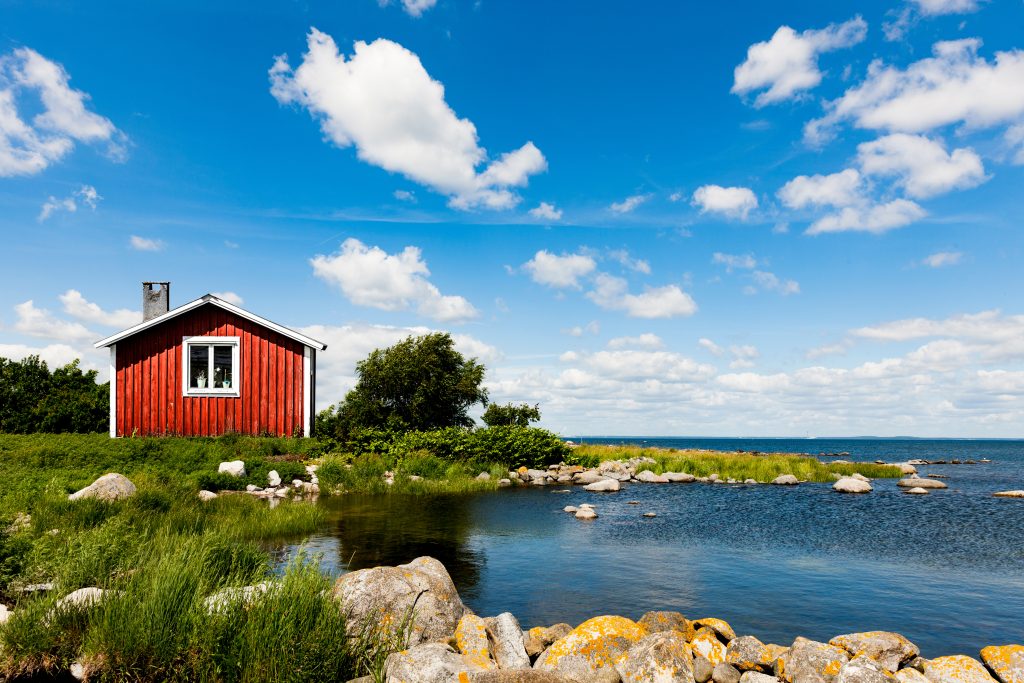
Värmland – sweden
“Give me a globe, preferably with only Värmland on it.” – Elis Eriksson, cabinet maker in Värmland
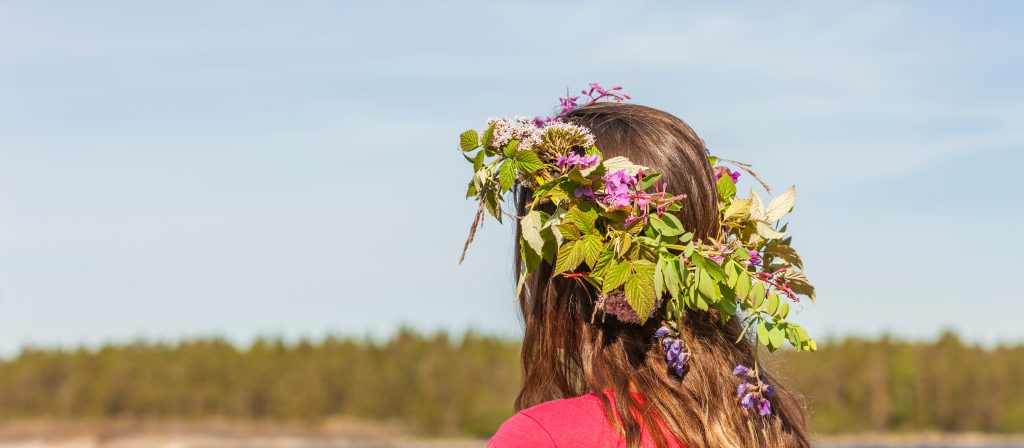
Värmland – sweden
Vibrant culture and an exciting history are something you can indulge in when you are in Värmland
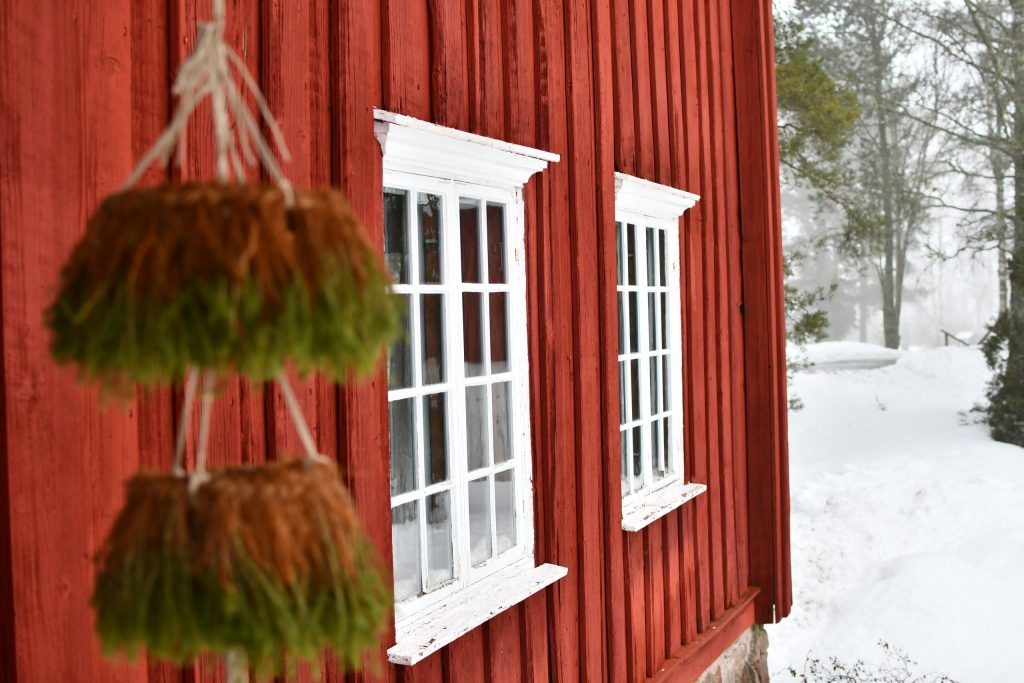
Värmland sweden
Today, Värmland is well known for its many artisans in different areas such as ceramics, textiles, literature and music.
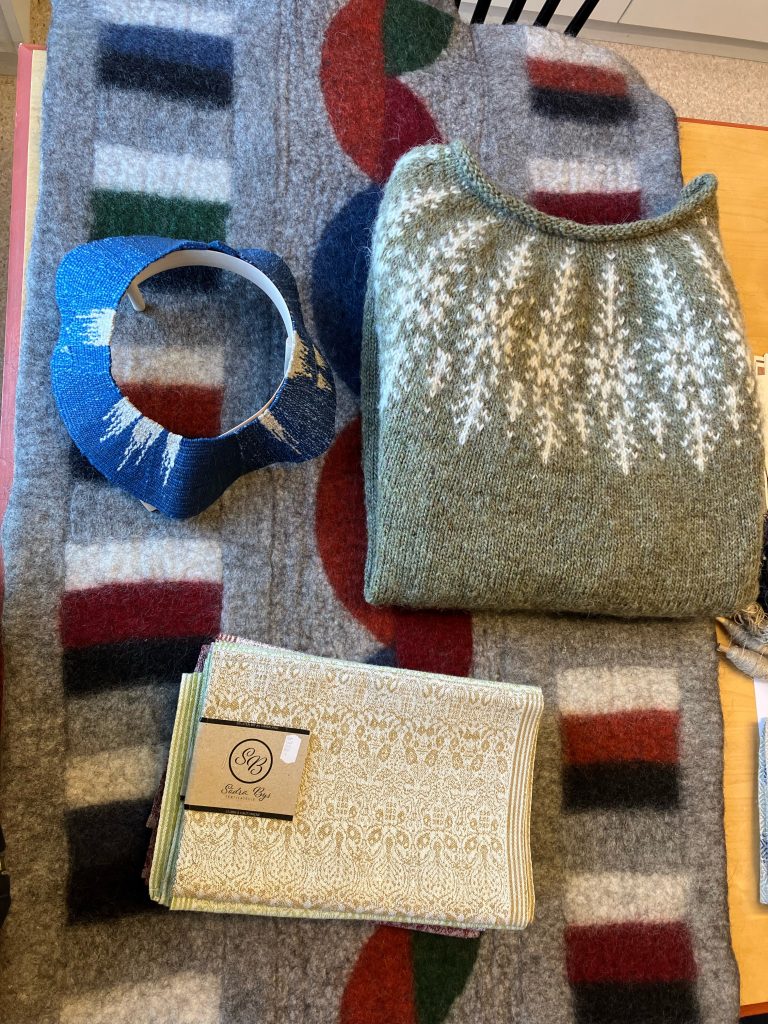
textiles
wood

ceramics
Gallery
Contents
| Title | Description | Type | Page |
|---|
| Title | Description | Type | Page |
|---|
| Title | Description | Type | Page |
|---|
| Title | Description | Type | Page |
|---|
| Title | Description | Type | Page |
|---|
| Title | Description | Type | Page |
|---|
| Title | Description | Type | Page |
|---|
Description: The historical province of Värmland in Sweden has a long, rich history of both natural and cultural heritage, which has often been intimately intertwined with one another. Within the deep, mythical forests and lakes, the old storytelling tradition in Värmland permeates almost all traditions and practices in the region. Famously the Swedish Nobel Laureate in Literature, author Selma Lagerlöf, grew up in Värmland and the region’s presence in her work is deeply imbued in not only the legends and places she writes about, but also the characters and their cultural identities.
Värmland stands out as a place of large stretches of forest which slopes down into long and narrow lakes that connect into rivers like Klarälven. In these forests and by these rivers, arts and craft traditions have grown. Today, Värmland is well known for its many artisans in different areas such as ceramics, textiles, literature and music. Its rich cultural heritage is a point of pride and defines everyday life in the region.
Below you may explore some of Värmland’s cultural heritage through tangible and intangible examples. Why not learn more about the Potters of Arvika’s ceramics, or the folklore of herbalism in Värmland’s Finnskogen (“Forest of the Finns”)? With this unique access to a gallery of artisans and their crafts, you may explore world-famous practices whilst also being introduced to local, sequestered practices.
Language: Swedish
Industries: Attraction via Sustainable Site Development,Food in Sustainable Interactions,Video Games and Gamification,Solar Energy and Sustainable Systems,Advanced Manufacturing and Complex Systems,Defense Industry and Civil Preparedness,Digital Health Tech
Environment: The environment in Värmland is truly unique, with its deep forests, thousands of sparkling lakes, and vast views from north to south. With 70% of the landscape covered in forest, Värmland offers an natural experience and also a source of inspiration and relaxation. Värmland is also known for its rich cultural heritage, with hunting and fishing being an integral part of the region's tradition and community. The region is at the forefront of the green transition, with its forests playing a crucial role in the development of a sustainable bioeconomy, creating new job opportunities and driving innovation forward.
Sustainable Development GOALS – adopted by all United Nations Member States in 2015, provides a shared blueprint for peace and prosperity for people and the planet, now and into the future. At its heart are the 17 Sustainable Development Goals (SDGs), which are an urgent call for action by all countries – developed and developing – in a global partnership.


Climate Actions:
Infrastructure Development, Research, Collaboration with other organisations , Governance management and green policies