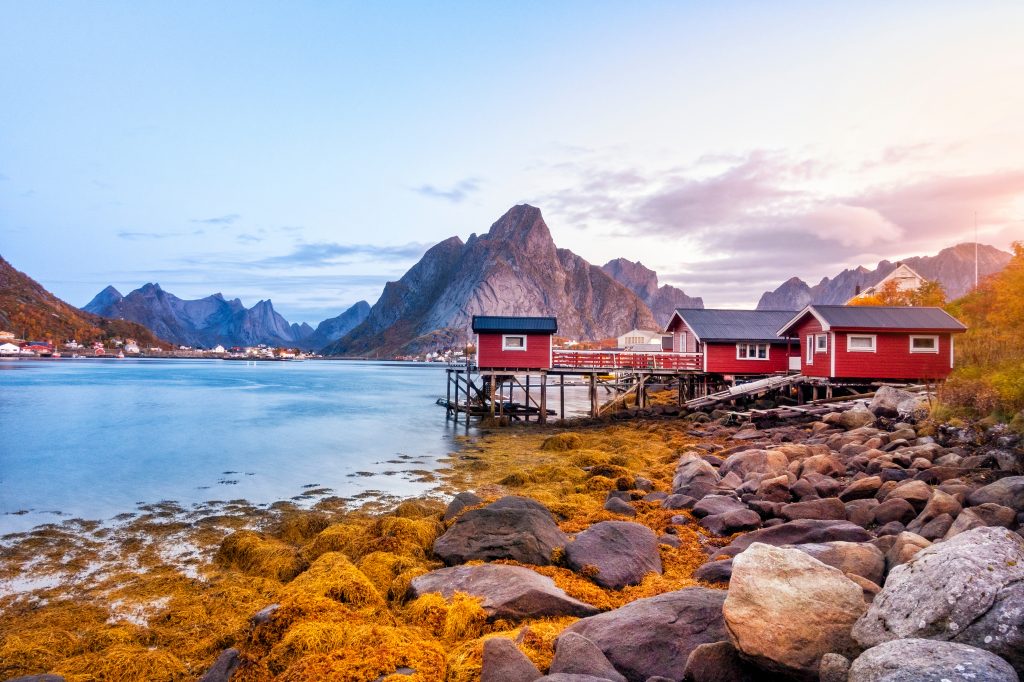
Lofoten – norway
Lofoten’s history and culture is fascinating and has long traditions. From the Viking Age to recent contemporary art.
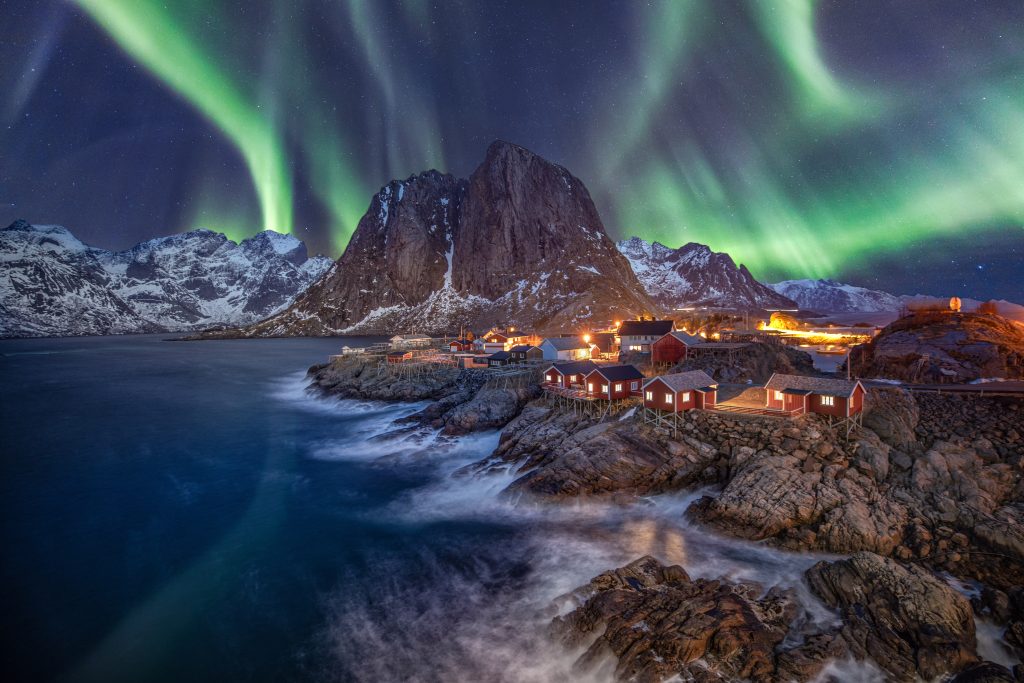
Lofoten – norway
Many leading artists of the present day find inspiration in Lofoten and have opened galleries here.
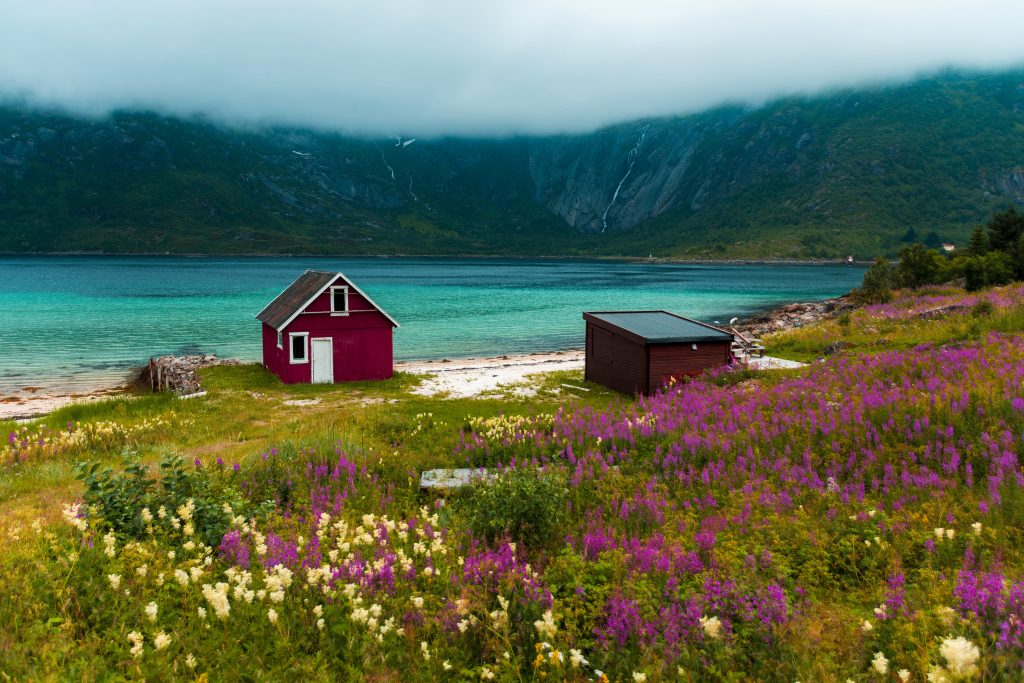
Lofoten – norway
Lofoten’s contemporary art scene is as diverse as the landscape itself

textiles

wood

ceramics
Gallery
Contents
| Title | Description | Type | Page |
|---|
| Title | Description | Type | Page |
|---|
| Title | Description | Type | Page |
|---|
| Title | Description | Type | Page |
|---|
| Title | Description | Type | Page |
|---|
| Title | Description | Type | Page |
|---|
| Title | Description | Type | Page |
|---|
Description: Lofoten, Lufoahtta (Lule Sami), or Lufuohttá (Northern Sami) is an archipelago and a traditional district in the county of Nordland, Norway. Lofoten has distinctive scenery with dramatic mountains and peaks, open sea and sheltered bays, beaches, and untouched lands. There are two towns, Svolvær and Leknes – the latter is approximately 169 km (105 mi) north of the Arctic Circle and approximately 2,420 km (1,500 mi) away from the North Pole. The archipelago experiences one of the world's largest elevated temperature anomalies relative to its high latitude.
Language: Norwegian
Geographical Region: Lofoten is located at the 68th and 69th parallels north of the Arctic Circle in North Norway.
Environment: Lofoten features a mostly subpolar oceanic climate (Cfc) under the Köppen climate classification, although some parts like Skrova feature a temperate oceanic climate (Cfb).
Industries: Fishing
Sustainable Development GOALS – adopted by all United Nations Member States in 2015, provides a shared blueprint for peace and prosperity for people and the planet, now and into the future. At its heart are the 17 Sustainable Development Goals (SDGs), which are an urgent call for action by all countries – developed and developing – in a global partnership.


