universities, museums, and organisations from around Europe collaborating
Contributing knowledge and experience to promote cultural and creative tourism activities

international network of 13 organizations from 9 different countries
With different backgrounds to tackle the current social, cultural, economic, and environmental challenges

raise awareness of the possibilities of cultural tourism and promote local communities
Providing a suitable framework for collaboration of the local ecosystems through training, peer-to-peer learning and knowledge exchange
CULTURALITY partners
Bringing together an international network of 13 organizations from 9 different countries with different backgrounds to tackle the current social, cultural, economic, and environmental challenges from rural & remote areas, raise awareness of the possibilities of cultural tourism and promote local communities as agents of change by providing a suitable framework for collaboration of the local ecosystems through training, peer to peer learning and knowledge exchange.
ideal partnership
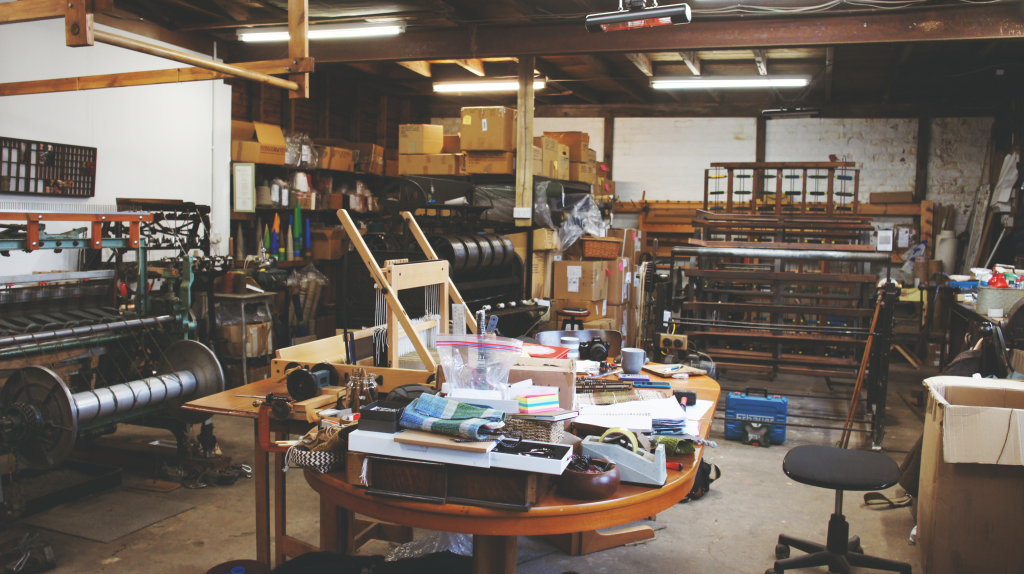
This ideal partnership has been promoted, with academic teams with various research profiles and non-academic partners who are in contact with rural communities and have previous experience organising activities promoting cultural and creative tourism in remote areas.
consortium
A well-balanced consortium is built up, which includes higher education institutions (Universities), regional representatives from rural & remote areas, museums, and organisations working directly with local communities. As well as small and medium-sized enterprises from the tourism and data mining sectors.
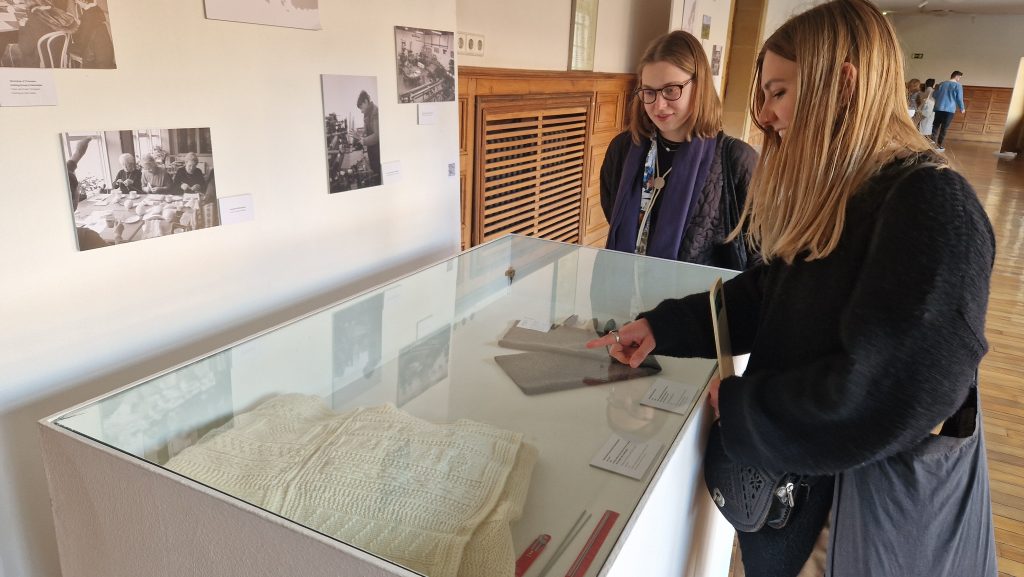
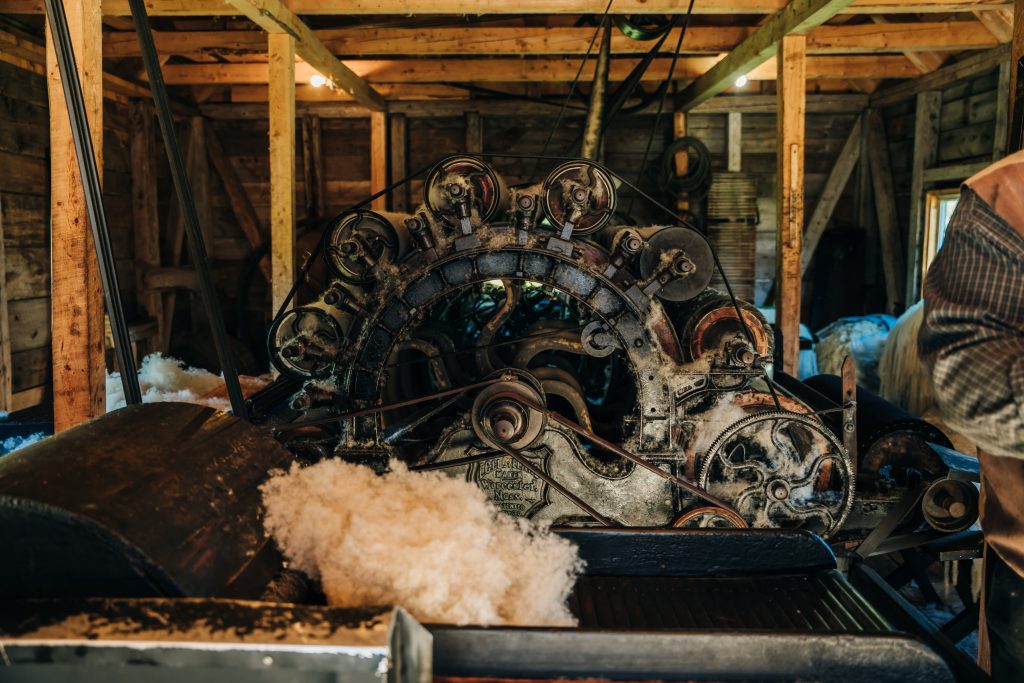
interdisciplinary collaboration
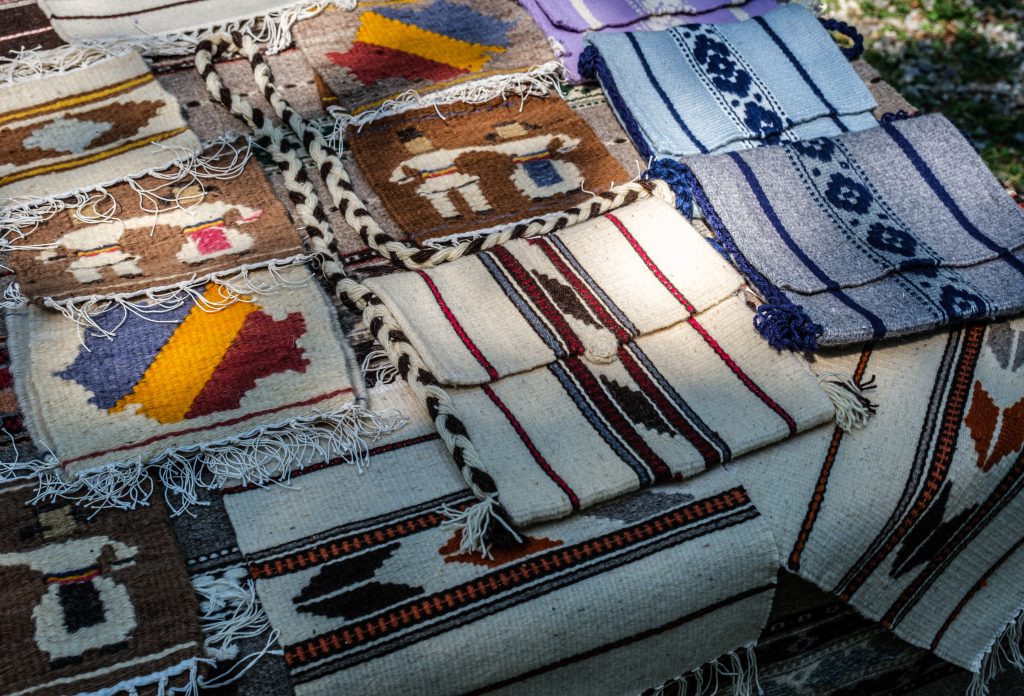
Due to the characteristics of the project, which addresses studies of anthropology, ethnography, material culture, geography, tourism studies, economics, design, management, rural studies, etc., the partnership has been designed to boost interdisciplinary collaboration, with ethnographers, anthropologists, geographers, economists, experts in social sciences & humanities, promoters of new cultural activities, curators, etc. Indeed, the various objects of study (crafts, intangible heritage, intangible heritage, music, design and creative tourism initiatives) require the collaborative work of researchers and professionals from different disciplines, backgrounds and professional experiences.
project partner map