Cultural Landscapes – defined by UNESCO as works of nature and humankind which ‘express a long and intimate relationship between peoples and their natural environment’.
All natural and cultural elements that make up these landscapes must be preserved
UNESCO lists 121 World Heritage sites as cultural landscapes. Each of these is of outstanding universal value with properties of social, economic, religious, and cultural global significance.
Sacred Places
Cultivated terraces on lofty mountains, gardens, sacred places … testify to the creative genius, social development and the imaginative and spiritual vitality of humanity. They are part of our collective identity. – UNESCO
We must PRESERVE the integrity and authenticity of these PLACES.
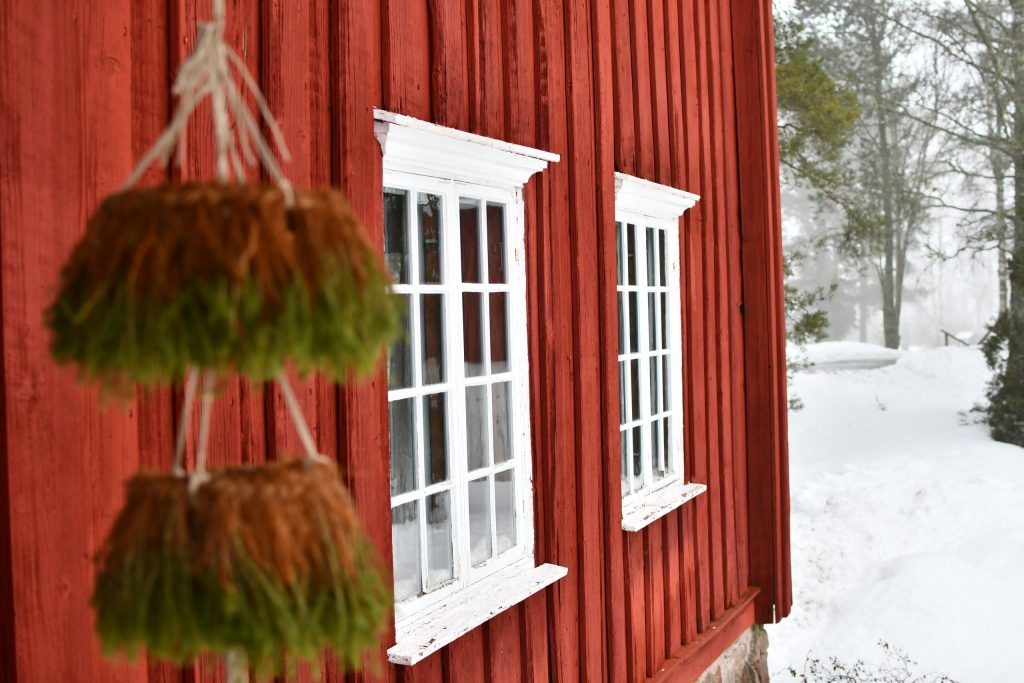
Cultural landscapes are shaped by both natural and cultural heritage, understood through social, economic, and environmental perspectives. Craft within these landscapes includes not just physical products, but also the skills, traditions, and impacts behind them.
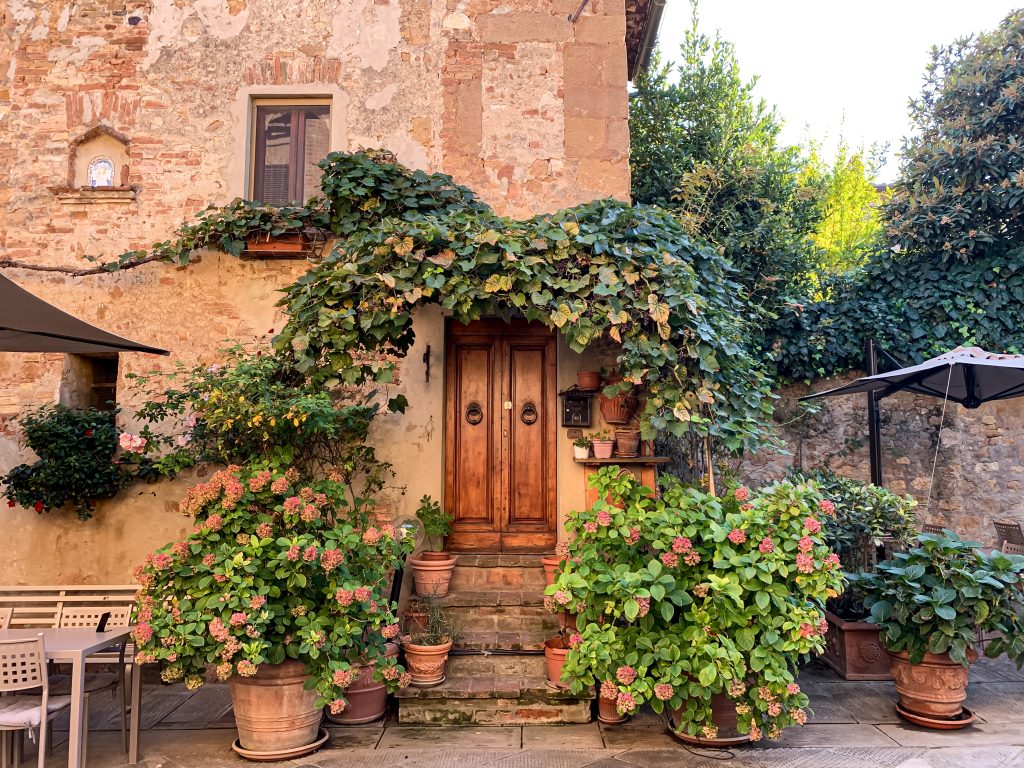
franciacorta – italy

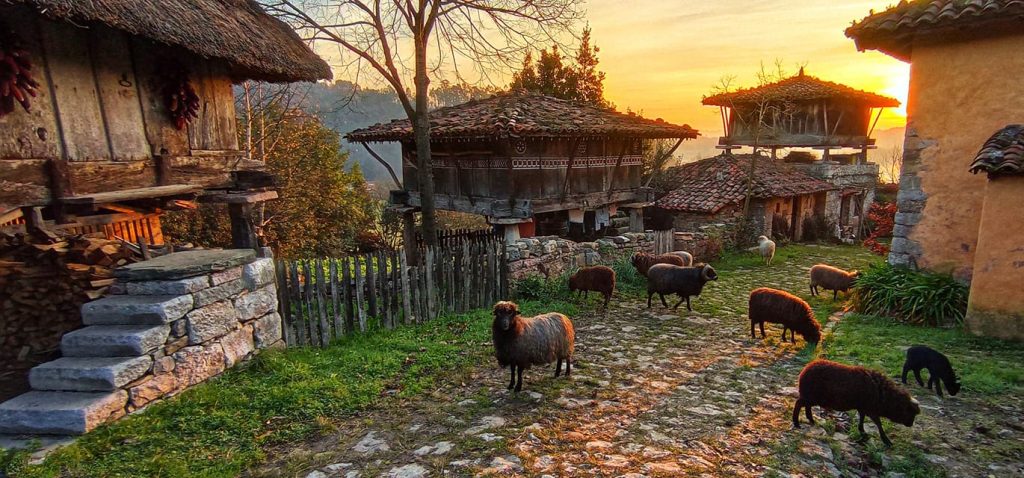
asurias – spain
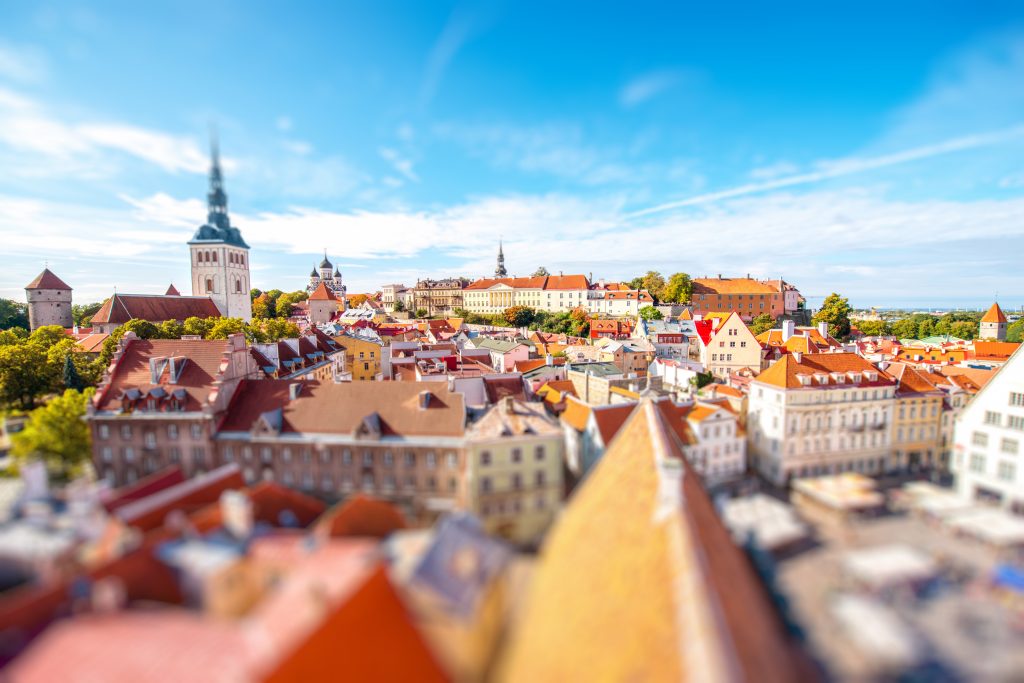
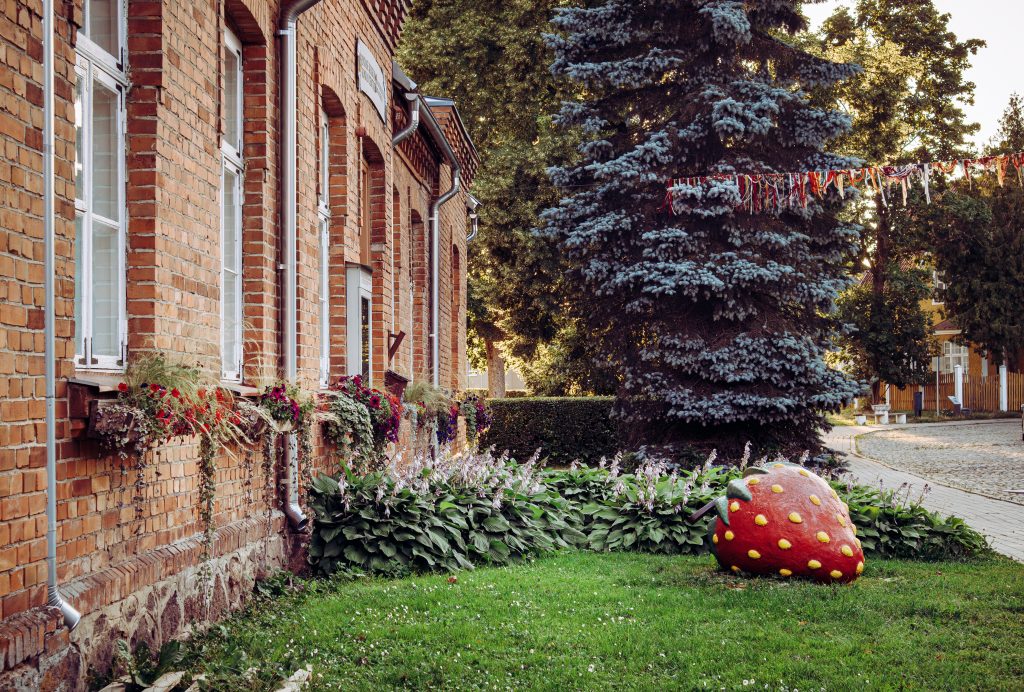
viljandi country – estonia
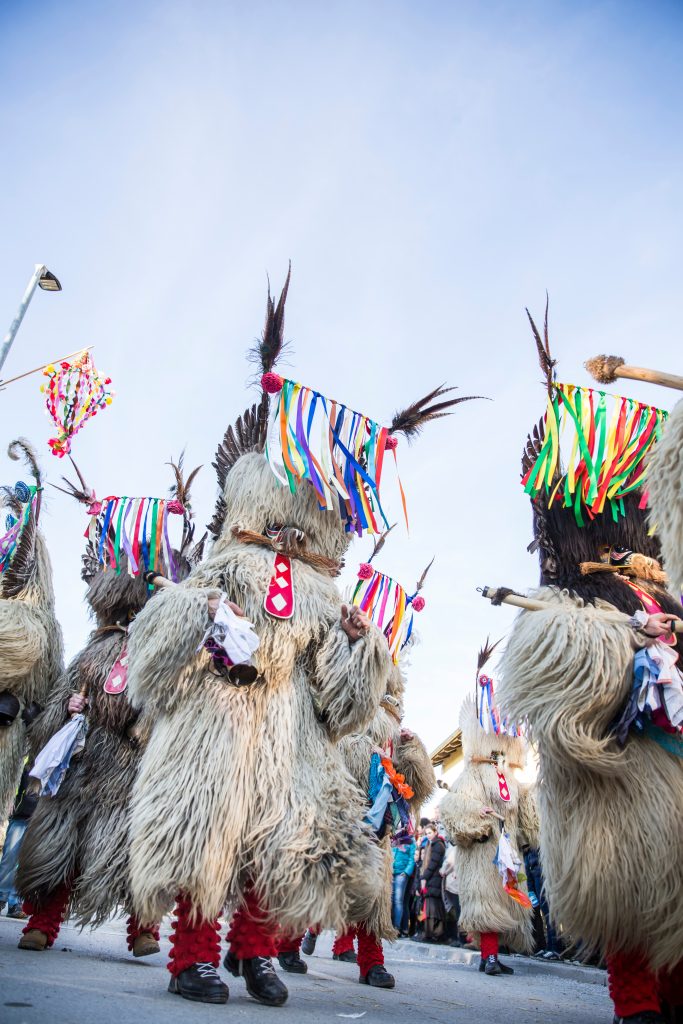
upper carniola – slovenia

Värmland – sweden

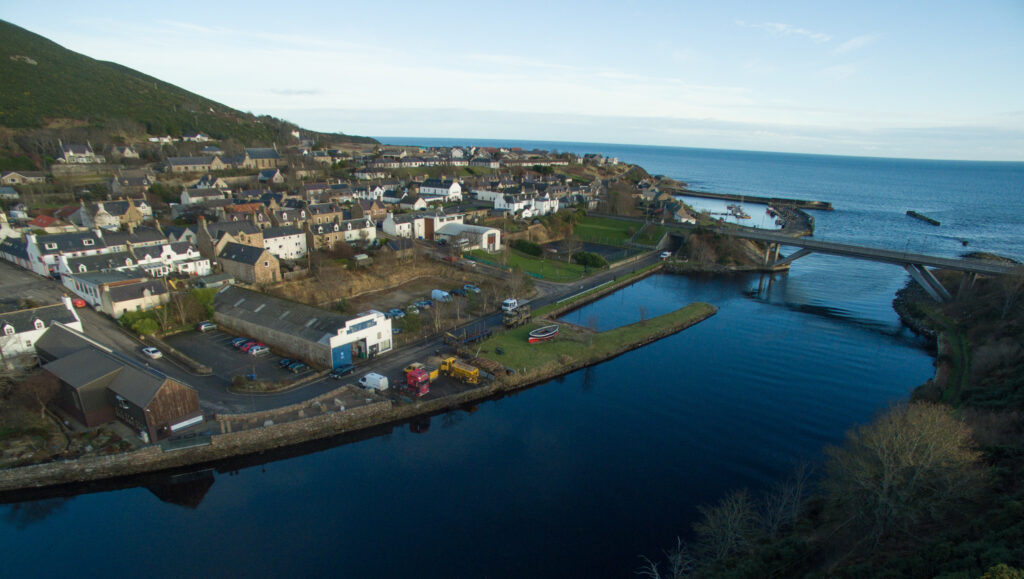
highlands & Islands – scotland
A holistic approach to cultural development—such as frameworks from UNESCO—considers factors like economy, education, gender, and sustainability. Because heritage influences how people relate to their surroundings, studying cultural landscapes requires an interdisciplinary approach. This helps reveal connections between heritage and society, supporting more sustainable development.
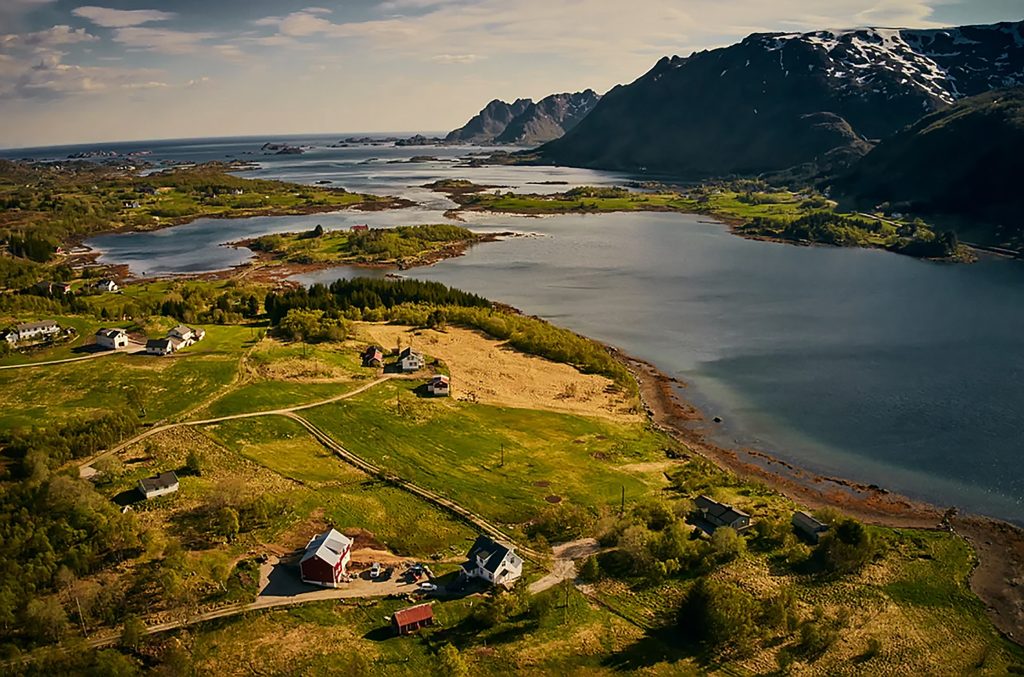

lofoten – norway
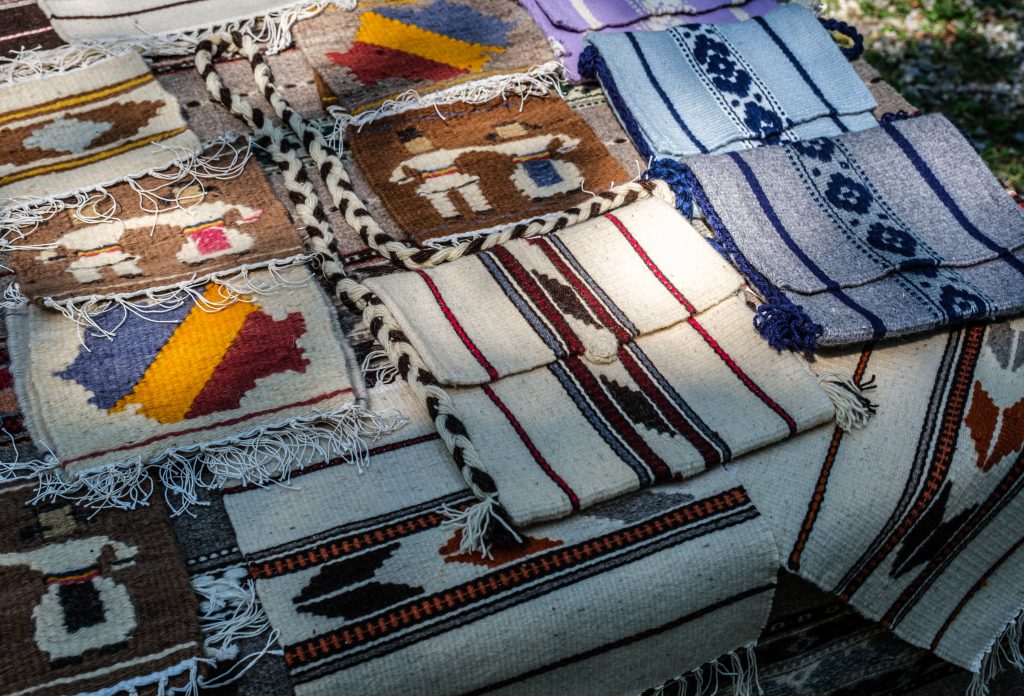
Țara Lăpușului – romania
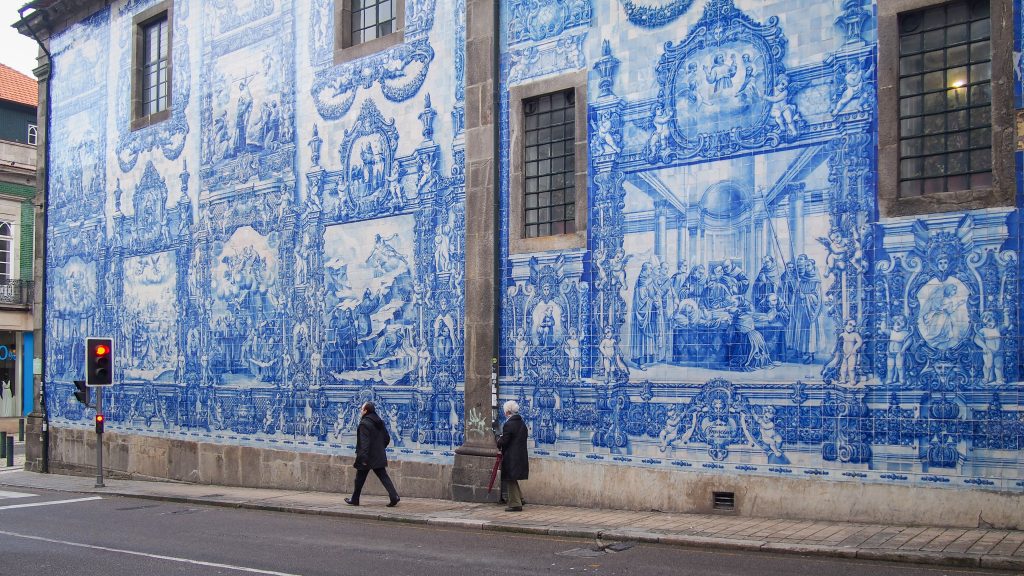
Viseu Dão-Lafões – portugal